
Young Artist
Drawing Program
Ages 11-17

The Young Artists Program is a small, 1 on 1 mentorship-based art program for pre-teens & teens who want to grow
as lifelong artists.
Rooted in traditional drawing, art history, and individual guidance, this program offers more than step-by-step art instruction. It is a place to develop artistic discipline, explore personal interests, and build a lasting relationship with the creative process and the instructor.
My intention is to create the kind of learning environment where students feel seen as unique individuals, encouraged to ask questions, and given the time and guidance to grow at their own pace, as I believe art is a lifelong journey of continuous growth, learning, and practice.
About me & Why I Teach
My experiences teaching children, and adults, and adapting to a wide range of student disabilities has shown me how differently we each approach the process of learning and how much we have in common, regardless of age or experience.
My teaching history spans from providing individualized art instruction to all youth, including neurodivergent students, ranging from therapeutic art activities to structured lessons focused on foundational drawing skills. I have also guided painting workshops for private groups and corporate clients, teaching step-by-step painting techniques to adults with varying levels of experience. This work has strengthened my ability to communicate complex artistic concepts in an easily digestable manner for inexperienced participants of all ages and create approachable learning experiences for diverse audiences.
-
Some students arrive full of ideas but unsure how to bring them to life. Others are hesitant to make mistakes, frustrated by what they cannot yet do, or convinced that ability is a "talent" you either have or you don't. Over time, I've come to see how much growth can happen when anyone is given the space to practice, the patience to work through difficulty, and the guidance to recognize what they are capable of.
I've found real meaning in watching a student become more confident, approach a challenge differently, or begin to see something in their own work that they couldn't see before has become one of the most rewarding parts of teaching.
My path as an artist has been unconventional, and I know what it feels like to want a deeper artistic education without having access to the opportunities of a prestigious art school. That experience has shaped my desire to create a space where young artists can receive thoughtful instruction, build strong foundations, and feel supported.
What Students Will Gain
Foundational Discipline & Personal Confidence
Traditional Inspiration
1-1 Personalized Guidance
Independent Projects
Develop observation, line, shape, proportion, perspective, value, light, and shadow through focused practice.
Build confidence through practice, learn to work through challenges, and trust your own observations and creative decisions.
Explore the methods, principles, and artistic traditions that have shaped representational art.
Receive personalized feedback and guidance tailored to each student's growth, interests, and challenges.
Apply foundational skills to personal ideas and develop an individual artistic voice.
Areas of Study
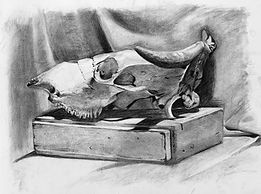


Copying & Observation
Build better technical habits such as pen control, mark making & measuring. Learning to look closely, identify shapes, understand proportions, and translate what is seen onto paper by drawing from eye rather than mind.
Building control and accuracy before focusing on detail or personal style.
Cast Drawing
Introduce and explore light, shadow, value, edges, and three-dimensional form through drawing from reference or real-life plaster casts & simple objects
Still Life
Applying observation and value to real objects. Develop proportion, composition, spatial relationships, and the ability to make objects feel three-dimensional using graphite & charcoal.
Portrait Drawing
Study the proportions and structure of the head, facial features, planes, and expression while refining the ability to observe subtle differences. Reference inspiration from old-masters techniques.
Master Copy
Study a selected historical artwork to examine the artist's use of value, composition, edges, and technique. Apply those observations to develop a more intentional personal practice.